
How to Finish Teak Wood: Oils, Sealants, and Natural Aging
- Mar 8
- 3 min read

Teak is one of the most beautiful and durable hardwoods in the world. Thanks to its natural oils and dense grain, it performs exceptionally well indoors and outdoors. But one question we hear often at BodhiSol Teak is:
“Do I need to finish teak wood?”
The answer depends on the look you want and where the project will live. Some people love the warm golden color of freshly milled teak. Others prefer the silver-gray patina that develops naturally over time.
In this guide, we’ll walk through the most common ways to finish teak wood—teak oil, sealants, and letting the wood age naturally—so you can decide what’s best for your project.
If you're planning a build and need sustainably sourced teak, feel free to request a custom quote anytime.

Why Teak Is Unique Compared to Other Hardwoods
Before deciding how to finish teak, it helps to understand why teak behaves differently from most lumber.
Teak contains natural oils and silica, which give it exceptional resistance to moisture, insects, and rot. This is why teak has historically been used for:
Boat decks
Outdoor furniture
Architectural elements
High-end cabinetry
These natural oils mean teak doesn’t require heavy finishing to survive outdoors. In fact, many woodworkers intentionally leave it untreated. However, finishing teak can help preserve its color, enhance the grain, or provide additional protection depending on the application.
The right finishing method depends on three main factors:
Indoor vs outdoor use
Desired color and appearance
Maintenance preferences

Option 1: Finishing Teak with Oil
Using oil is one of the most popular ways to finish teak, especially for furniture and decorative projects. Teak oil (or similar penetrating oils like tung oil) soaks into the wood rather than sitting on the surface. This enhances the natural color and grain while providing light protection.
Oil finishes are popular because they:
Deepen teak’s warm golden color
Highlight the natural grain pattern
Are easy to apply and reapply
Maintain a natural wood look
This makes oil a great choice for projects like:
Cutting boards
Indoor furniture
Benches
Decorative wood pieces

Option 2: Using Sealants or Protective Finishes
If you want stronger protection or less maintenance, sealants may be a better option. Sealants create a protective layer on the wood’s surface that helps resist moisture, UV exposure, and wear.
Common sealants for teak include:
Marine varnish
Polyurethane
Outdoor wood sealers
Sealants are often used for projects exposed to heavy wear or harsh weather, such as:
Outdoor dining tables
Boat components
Deck features
Bathroom vanities
A properly applied marine varnish can create a beautiful glossy finish that highlights the grain while providing durable protection. However, sealants require more preparation and maintenance than oil finishes. If the finish begins to crack or peel, it typically needs to be sanded and reapplied. For many outdoor teak projects, woodworkers prefer oil or natural aging because maintenance is easier.
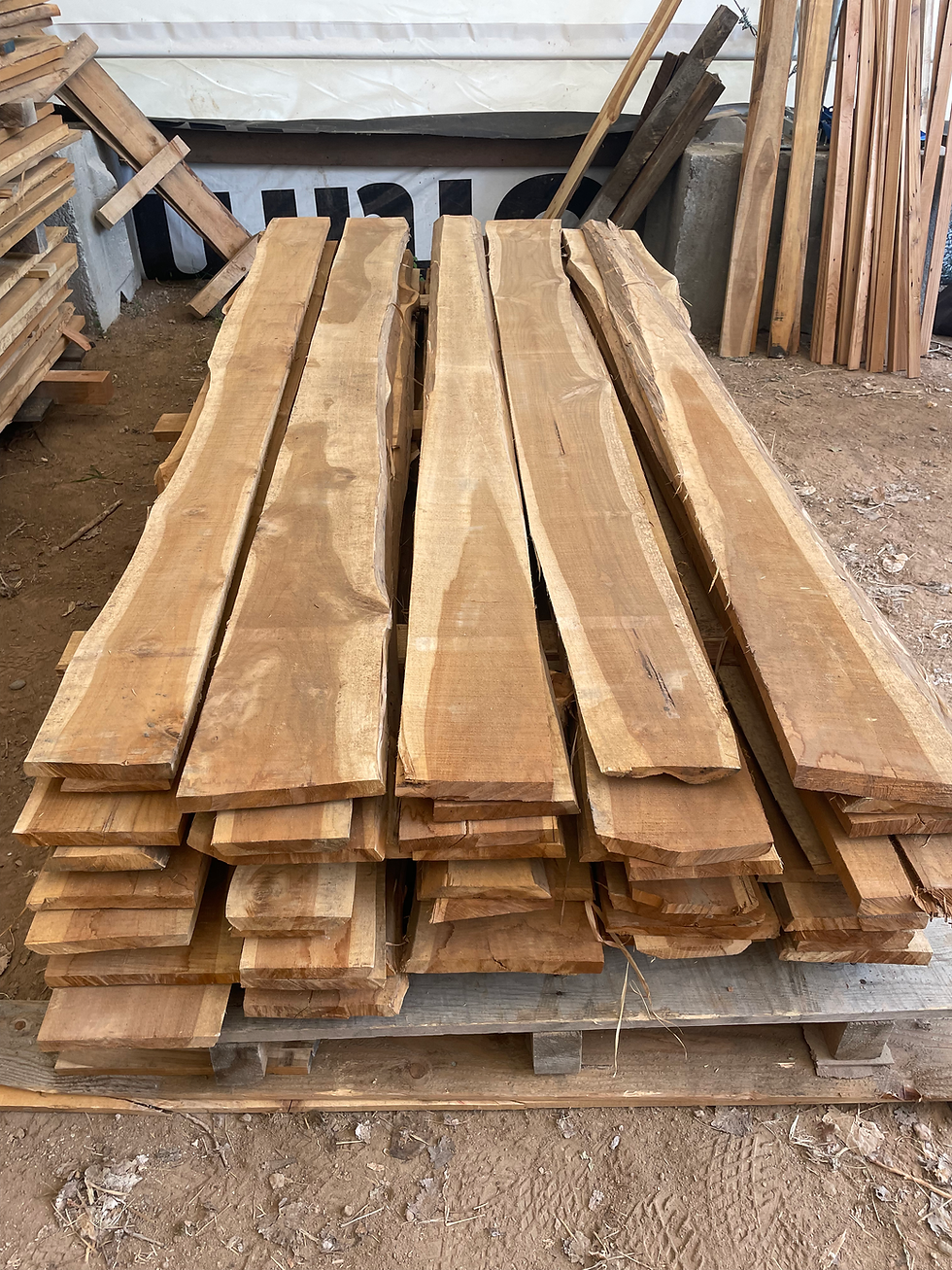
Option 3: Letting Teak Age Naturally
One of the most appealing qualities of teak is that it can be left unfinished. Over time, teak naturally develops a soft silver-gray patina when exposed to sun and weather. This aging process does not harm the wood—it’s purely cosmetic. The underlying structure remains strong and durable.
Natural aging is common for projects like:
Outdoor benches
Deck furniture
Garden structures
Architectural elements
Many people actually prefer this look because it gives teak a classic, weathered appearance. The process typically takes 6–12 months outdoors, depending on climate and sun exposure. If desired, the gray patina can always be cleaned or restored later using teak cleaners or light sanding. This flexibility is part of what makes teak such a versatile material.
Which Teak Finish Is Best for Your Project?
There’s no single “correct” way to finish teak. The best choice depends on your priorities. All three of these approaches highlight what makes teak special: durability, beauty, and character. Teak is one of the few woods that truly performs well with minimal finishing. Whether you enhance it with oil, protect it with sealants, or let it weather naturally, it will continue to look beautiful for decades.
That’s one of the reasons we love working with it.
At BodhiSol Teak, we source sustainably grown plantation teak from Costa Rica and ship it nationwide to builders, woodworkers, and homeowners. If you're planning a project, we'd love to help guide you from initial purchase through finishing your project.
Ready to get started? Request a quote today!


Comments